




A Caribbean Desalination Stock to Invest In


Water is one of the most important prerequisites for life. It can’t be created nor destroyed, but it can be damaged or unusable to begin with. While the Earth has lots of water, only 2.5% is freshwater that we can use for drinking. Around 70% of that freshwater is contained in glaciers, ice, and snow, so this leaves less than 1% of Earth’s water useful and accessible to humans. The distribution of that precious resource isn’t evenly allocated across inhabited regions. According to the UN’s Food and Agriculture Organization, 33 countries depend on other countries for over 50% of their renewable water resources.
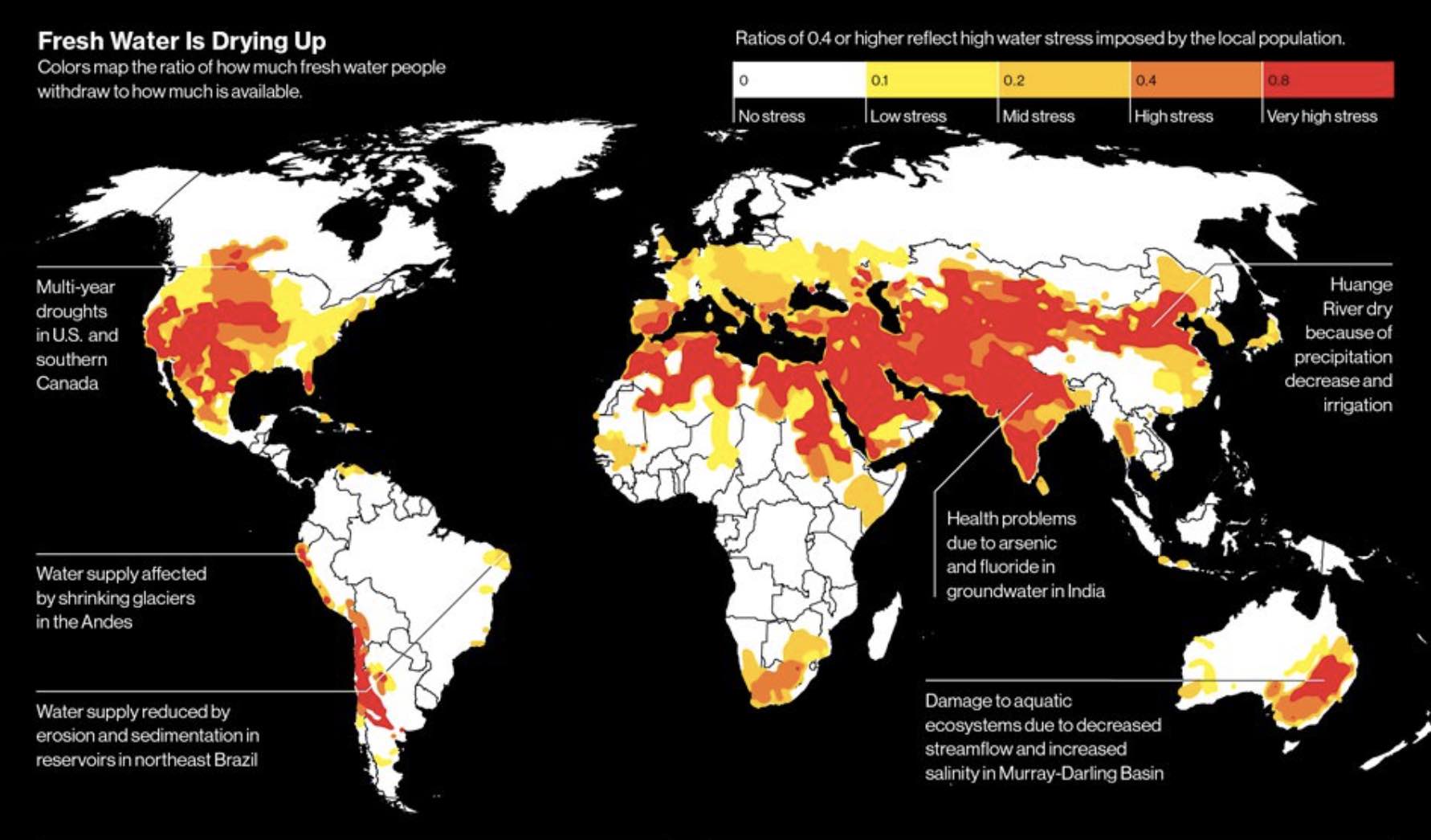
Right away we can see that India is in some serious trouble with 21 major cities slated to run out of groundwater next year. At the moment, 844 million people or 11% of the global population lack access to safe freshwater, something that costs the global economy around $260 billion every year. The investment thesis for water pretty much spells itself out, and perhaps the most obvious solution is to look towards desalination – the process of turning seawater into freshwater. The technology ha